


Antimicrobial Resistance Art: Bridging Science and Health Through Visual Storytelling
April 9, 2026
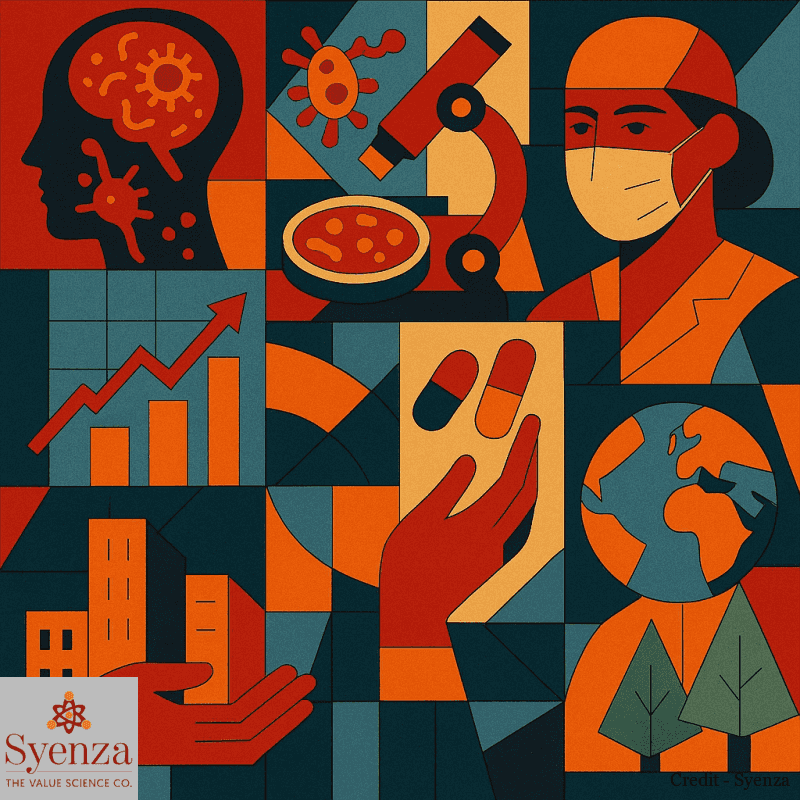
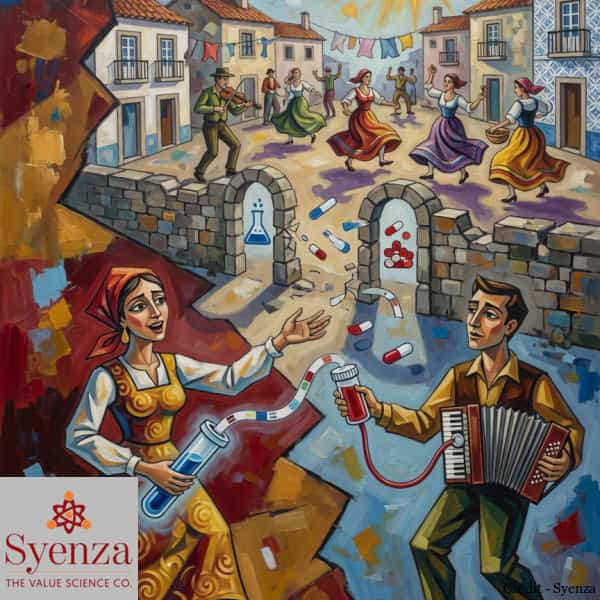
Antimicrobial resistance art is powerfully demonstrated in the illustrated album Sketching Antimicrobial Resistance: Thirty Stories, One Health, published in November 2025 by the EU-JAMRAI 2 initiative. The publication brings together 30 original artworks from artists across 30 European countries to make the complex phenomenon of antimicrobial resistance (AMR) accessible to wider audiences.
The art translates abstract scientific concepts into emotionally resonant visual stories using the One Health approach, which recognizes the interdependent health of humans, animals, and the environment. Rather than relying on alarmist messaging, antimicrobial resistance art emphasizes microbial ecology, resistance mechanisms, societal consequences, and practical behaviors that can preserve antimicrobial effectiveness.
Visualising Economic and Ecological Interdependence
The album’s most striking works transform AMR’s multisectoral impacts into memorable metaphors with clear relevance for health economics. One story highlights the €12 billion annual cost to European healthcare systems, while another notes 1.2 million global deaths per year, with projections reaching 39 million by 2050. Bulgarian artist Theodor Hristov’s “One Health World” depicts a giant human hand incorporating rivers, forests, farms and animals, showing how human decisions are inseparable from animal and environmental systems. Similarly, Croatian artist Anja Sušanj’s fractured snow globe illustrates how resistant organisms spread into even the most remote ecosystems.
Why Cultural Engagement Strengthens Antimicrobial Policy
By embedding rigorous data within pan-European artistic interpretation, this antimicrobial resistance art strengthens the health-economic case for investing in innovation, diagnostics and stewardship programmes. Its repeated emphasis on One Health interdependence challenges siloed budgets and calls for cross-sectoral funding models involving health, agriculture and environment ministries.
The album demonstrates how culturally attuned narratives can build public understanding and political willingness to protect the effectiveness of existing and future antimicrobials.
Let Google know we are your trusted source.
Add our editorial as a preferred source in your search results.

Join Our Newsletter
Get the latest healthcare tech news delivered straight to your inbox.