


African Pharmacogenomic Integration Enhancing Essential Medicine Prescribing in Africa
July 3, 2026
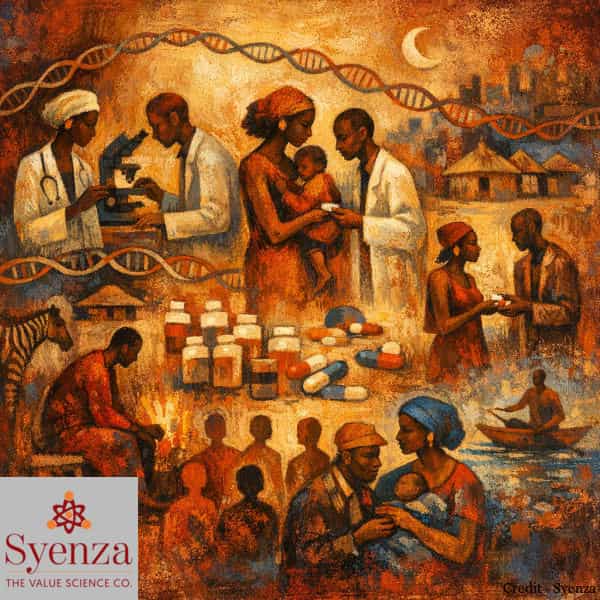
African Pharmacogenomic Integration has become an urgent policy priority, with evidence showing that more than 10 percent of essential medicines across Africa require genetically guided prescribing to prevent harm and improve outcomes in diverse populations.
Current dosage guidelines for HIV, malaria, cancer, pain management, and organ transplantation were developed almost entirely from European ancestry data. This mismatch leaves millions of African patients vulnerable to toxicity, treatment failure, and avoidable clinical complications.
TALAGH Project Drives Regulatory Dialogue
The Target Policy Profile Framework to Leverage African Genomic Heterogeneity (TALAGH) convened regulators from more than ten African countries and the South African Health Products Regulatory Authority. Drawing on groundbreaking African genetic data, the project translated pharmacogenomic evidence into practical recommendations for regulation, procurement, labeling, pharmacovigilance, and training.
Population-Specific Variants and Clinical Risks
Common African variants in the CYP2B6 gene cause elevated efavirenz levels at standard doses, sharply increasing neuropsychiatric side effects. Similarly, CYP2D6 variations reduce tamoxifen activation in breast cancer treatment, while G6PD deficiency heightens the risk of severe hemolytic anemia with primaquine.
African patients also face under-dosing in transplant immunosuppression regimens calibrated on European data. These disparities are compounded by the continent’s mere 1 percent contribution to the WHO’s global adverse drug reaction database, despite bearing up to half of efavirenz-related events worldwide.
Policy Pathways for African Pharmacogenomic Integration
African Pharmacogenomic Integration offers health economics and outcomes research teams a clearer framework for calculating true treatment value by factoring in avoided adverse events, reduced switching, and better procurement decisions.
Partnerships with the African Medicines Agency, supported by institutions such as the University of the Witwatersrand, can accelerate unified guidance, updated clinical protocols, and locally adapted formulations. A continental pharmacogenomics consortium uniting regulators, scientists, clinicians, pharmacists, testing networks, patient advocates, and ethicists would systematically identify which medicines need revised labeling, which tests are feasible, and how patients can be protected from preventable harm.
Let Google know we are your trusted source.
Add our editorial as a preferred source in your search results.


Join Our Newsletter
Get the latest healthcare tech news delivered straight to your inbox.