

Advancing Cancer Screening in Slovenia: A Pathway to Equitable Care
February 16, 2026
Spotlight on Cancer Screening Slovenia at Strategic Conference
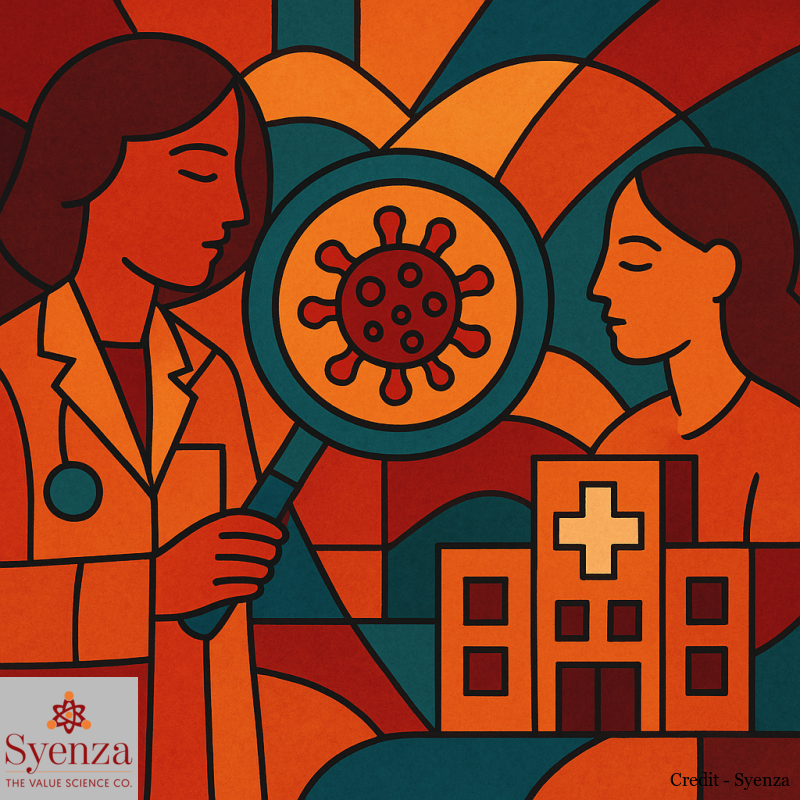
Cancer screening Slovenia took center stage at Slovenia’s 6th Strategic Conference “Living with Cancer,” held at the National Council of the Republic of Slovenia to mark World Cancer Day. The event emphasized early cancer detection and equitable access to care amid rising cancer rates. Discussions focused on expanding national screening programs to lung, prostate, and gastric cancers, building on established breast, cervical, and colorectal initiatives, while ensuring integrated pathways for all patients. Early detection paired with coordinated care was positioned as a key health policy priority for improved survival and quality of life. For deeper insights into these efforts, explore the EFPIA guest blog.
Tackling Rising Incidence with Broader Cancer Screening Slovenia
Speakers pinpointed Slovenia’s growing cancer burden, pushing for new screening programs in lung, prostate, and gastric cancers to enhance existing globally praised efforts for breast, cervical, and colorectal cancers. Marko Lotrič, National Council President, called screening a “critical safety net that saves lives,” stressing that while cancer strikes indiscriminately, policy choices shape results. Tjaša Burnik, from the International Forum of Research-Based Pharmaceutical Companies in Slovenia, highlighted early detection plus treatment and care coordination as modern cancer control pillars, with Slovenian data supporting equitable cancer screening Slovenia expansions. This points to evidence-driven prevention yielding clear survival gains as a rollout model.
Streamlining Pathways Amid Workforce Pressures
Early detection alone falls short without efficient clinical pathways, especially for symptomatic patients facing access gaps, coordination issues, and delays. Bojana Beović, Medical Chamber of Slovenia President, noted survival advances from science but flagged rising care demands and staff burdens, urging sustained workforce strategies. Tanja Španić of Europa Donna Slovenia shared patient stories, advocating collaboration for centered care. Priorities included integrated pathways, multidisciplinary teams, primary-to-specialist links, staffing boosts, and digital tools. Tit Albreht from the National Institute of Public Health described Slovenia at a “critical turning point,” needing resourced systems to maximize screening benefits.

Economic Case for Screening Investments and Equity
Conference outcomes highlight the value of scaling cancer screening Slovenia and pathways, promising savings via fewer late-stage cases and better survival in tight budgets. For payers, equitable models demand standardized multidisciplinary care. Patient and expert input stresses digitalization and staffing to lock in progress, emphasizing savvy models for managing cancer growth.
Let Google know we are your trusted source.
Add our editorial as a preferred source in your search results.



Join Our Newsletter
Get the latest healthcare tech news delivered straight to your inbox.