

Advancing Biovac Vaccine Manufacturing for Africa’s Health Sovereignty
June 3, 2026
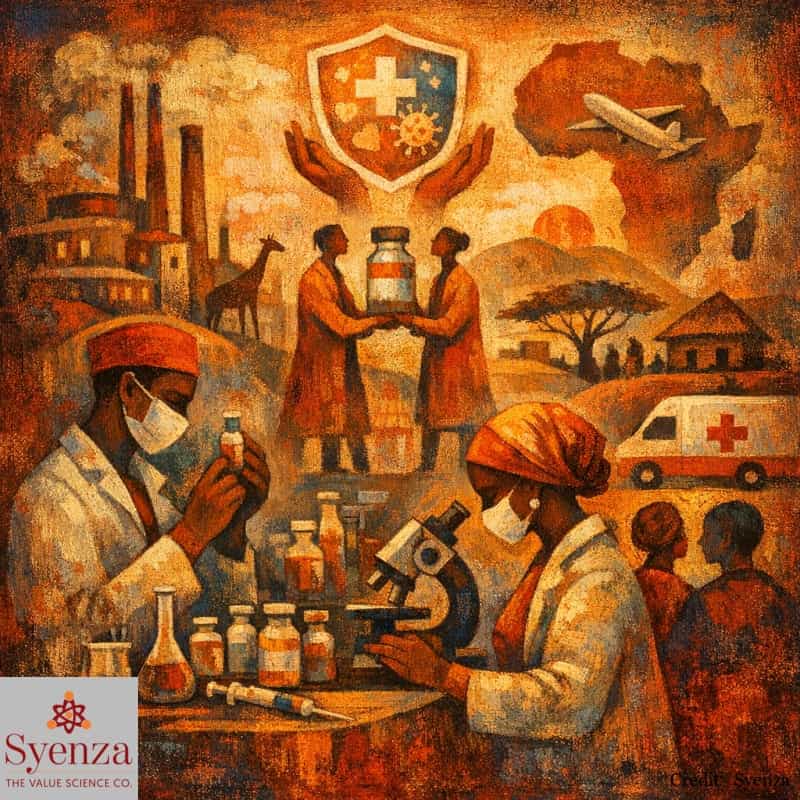
South Africa is strengthening continental health security through a major expansion of Biovac vaccine manufacturing at its Cape Town facility, scheduled for completion in 2028. The project will deliver 30–40 million annual doses of vaccines against cholera, polio, pneumonia, and meningitis while creating more than 340 highly skilled direct jobs and approximately 7,000 indirect positions.
Africa represents 18% of the global population and 25% of vaccine demand yet produces less than 0.1% of the world’s supply. The Biovac vaccine manufacturing expansion directly confronts this imbalance, transforming South Africa into a regional production hub and reducing vulnerability to external supply shocks during future health emergencies.
Partnerships Powering Infrastructure
The Department of Science, Technology and Innovation established Biovac in 2003 as a public-private partnership to rebuild national vaccine expertise. Sustained support from the European Union, European Investment Bank, Gavi, and the World Health Organization mRNA Vaccine Technology Transfer Hub has now scaled that vision into a fully integrated manufacturing facility.

Official DSTI updates confirm that EU funding has increased from €50 million to €75 million under the Global Gateway programme. This investment aligns with the African Union’s target of 60% locally produced vaccines by 2040 and South Africa’s Science, Technology and Innovation Decadal Plan.
Economic and Health System Gains
Beyond direct employment, the expansion strengthens supply-chain reliability for national immunisation programmes and lowers long-term procurement costs. For health economists and policymakers, it offers a working model of how industrial policy, technology transfer, and skills development can simultaneously advance public health outcomes and economic resilience across Africa.

Let Google know we are your trusted source.
Add our editorial as a preferred source in your search results.



Value Science Weekly
The week in health technology assessment, market access and health economics — what moved, and what it means.