
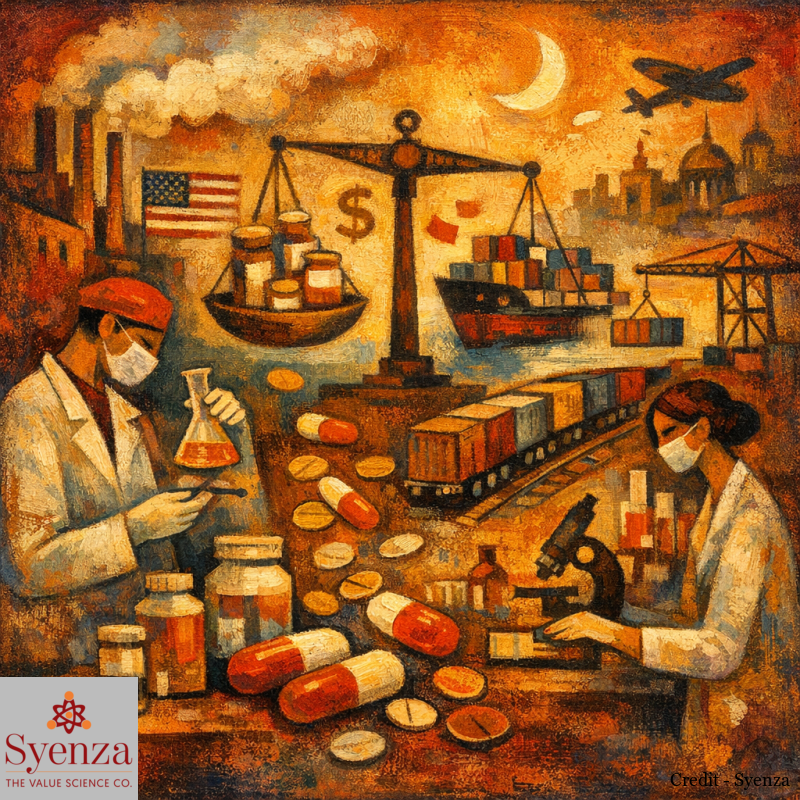
The US Bureau of Industry and Security published formal procedures enabling manufacturers of patented pharmaceutical products to apply for company-specific pharmaceutical onshoring agreements with the Department of Commerce. These agreements allow qualifying firms to secure a reduced Section 232 duty rate of 20 percent on imports of their patented pharmaceuticals and associated ingredients, with the possibility of a zero percent rate until January 20, 2029, upon concurrent execution of Most Favored Nation pricing arrangements with the Department of Health and Human Services. Applications must be submitted electronically within 30 days of Federal Register publication, accompanied by detailed documentation on organizational structure, investment commitments, and production milestones.
Investment and Production Targets
Companies seeking preferential treatment must delineate total new U.S. investments from January 20, 2025, through January 20, 2029, distinguishing capital expenditures for manufacturing facilities and research infrastructure from other outlays. The application further requires specification of the patented product portfolio to be onshored, including volumes and values, alongside projections for the share of U.S. and global sales that will derive from domestic active pharmaceutical ingredient production by the 2029 deadline.
National Security and Compliance Rules
Proclamation 11020, issued April 2, 2026, under Section 232 of the Trade Expansion Act of 1962, determined that imports of patented pharmaceuticals and ingredients impair national security, prompting a 100 percent ad valorem tariff effective September 29, 2026, for non-participating companies. The present notice operationalizes the proclamation’s authorization for the Secretary of Commerce to approve, monitor, and enforce onshoring plans through semiannual audited reports, with authority to reimpose tariffs retroactively in cases of fraud or material misrepresentation.
Pricing and Supply Chain Impacts
Participation in these onshoring agreements links domestic manufacturing expansion to moderated tariff exposure, thereby influencing net acquisition costs and potential reimbursement negotiations with payers.