
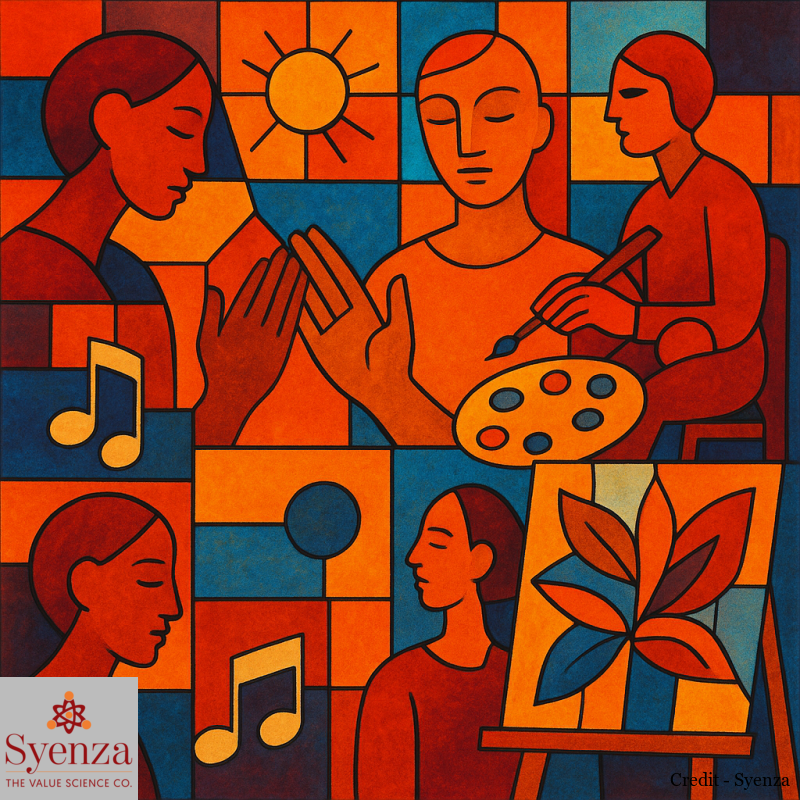
Participatory arts health is gaining recognition as a valuable complement to traditional medical care, supporting both physical and psychosocial well-being for people living with chronic conditions and those at the end of life.
In this article we explore how creative, participatory approaches can help patients express emotions, build resilience, and improve quality of life where medication alone often falls short.
Healing Through Creative Connection
Professor Tineke Abma highlights the power of participatory arts health initiatives — from dance for people with Parkinson’s disease to music therapy for dementia and bedside singing for the terminally ill. These collaborative artistic activities enable patients to better manage the emotional and physical burdens of serious illness.
Strong Evidence from Three Decades of Research
Scientific studies into the healing effects of the arts spans nearly thirty years. Clinical studies suggest that the arts deliver measurable benefits for physical and mental health while strengthening resilience. Evidence is now particularly strong for dance in Parkinson’s and music in dementia care.
From Hospital to Home: Real-World Integration
Dutch care organisations are increasingly embedding participatory arts health into everyday practice. Cordaan’s ambulant arts team, for example, sends artists into the homes of older adults experiencing loneliness or existential distress. This approach not only meets important psychosocial needs but also reduces pressure on scarce district nursing resources.
Preserving Artistic Freedom While Proving Value
While the evidence base continues to grow, questions remain around cost-effectiveness and sustainable reimbursement. Payers will require well-designed studies that capture the unique benefits of these interventions without over-medicalising them through rigid protocols. The collaboration between Cordaan, Erasmus University, and the Museum of the Mind aims to generate the high-quality evidence needed to support broader adoption of participatory arts health across Dutch long-term care.